How Hospitality Software Is Transforming Hotel Operations and Guest Experiences
- wick46842
- Jul 4
- 18 min read
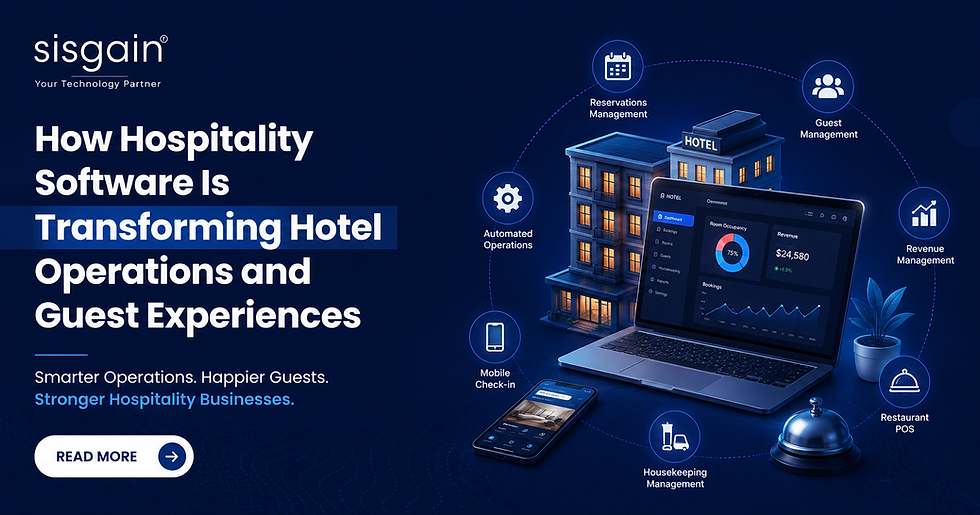
Key Takeaways
Hospitality software streamlines hotel operations by automating routine tasks and reducing manual effort.
Technology in hospitality improves guest experiences through faster, more personalized, and contactless services.
Digital solutions help manage reservations, front desk operations, housekeeping, inventory, and revenue from a centralized platform.
Cloud-based systems enable real-time access to data, improving collaboration across hotel departments.
AI, IoT, predictive analytics, and smart room technologies are shaping the future of hospitality.
Data-driven insights help hotels optimize pricing, occupancy, and operational performance.
Integrated software reduces errors, improves staff productivity, and enhances overall efficiency.
Strong cybersecurity and seamless system integrations are essential for successful digital transformation.
Choosing the right hospitality software supports scalability and long-term business growth.
Hotels that embrace digital innovation are better equipped to meet evolving guest expectations and stay competitive.
The hospitality industry is evolving rapidly as guest expectations continue to rise. Today's travelers expect seamless online bookings, contactless check-ins, personalized services, mobile convenience, and exceptional experiences throughout their stay. At the same time, hotels are under pressure to improve operational efficiency, reduce costs, and stay competitive in an increasingly digital market.
To meet these demands, businesses are embracing technology in hospitality industry through modern software solutions that automate daily operations and enhance guest satisfaction. From managing reservations and housekeeping to streamlining payments and customer communication, hospitality software helps hotels operate smarter and deliver consistent service.
The growing adoption of technology in hospitality is driving a major digital transformation hotel industry, enabling hotels to replace manual processes with cloud-based platforms, AI-powered tools, and data-driven decision-making. These innovations not only improve operational efficiency but also create more personalized and memorable guest experiences.
In this guide, we'll explore what hospitality software is, how it transforms hotel operations, the technologies shaping the industry, and why investing in digital solutions has become essential for long-term growth and success.
What Is Hospitality Software and Why Does It Matter Today?
Hospitality software is a set of digital solutions that helps hotels automate daily operations, improve efficiency, and enhance guest experiences. Instead of relying on manual processes, hotels use integrated platforms to manage reservations, front desk operations, housekeeping, billing, guest communication, and reporting from a single system.
As guest expectations continue to grow, hotels need faster and smarter ways to deliver quality service. Modern hospitality software reduces manual errors, improves staff productivity, and provides real-time data for better decision-making. This focus on digital innovation hotel strategies helps businesses stay competitive in today's fast-changing hospitality market.
Hospitality software is used by hotels of all sizes, including boutique hotels, resorts, serviced apartments, and hotel chains. Some of the most common solutions include:
Property Management System (PMS)
Hotel CRM Software
Booking Engine
Channel Manager
Revenue Management Software
Housekeeping Software
Inventory Management Software
Point of Sale (POS) System
Mobile Check-in Solutions
Business Intelligence & Analytics Tools
When these solutions work together, hotels can streamline operations, improve communication between departments, reduce costs, and deliver a more personalized guest experience.
As the hospitality industry continues to evolve, investing in hospitality software has become essential for businesses looking to improve operational efficiency, enhance customer satisfaction, and support long-term digital growth.
"Hospitality software transforms hotel operations by connecting people, processes, and technology on a single platform."
From Traditional Hotel Management to Smart Operations
Traditional hotel management relied on paper records, phone reservations, and manual coordination between departments. These methods often led to booking errors, delayed communication, and inefficient operations.
Today, hospitality software connects reservations, housekeeping, finance, maintenance, and guest services through a centralized cloud platform. Real-time updates improve collaboration, reduce manual work, and help hotels deliver faster, more personalized service. This shift enables hotels to increase efficiency, minimize errors, and focus more on enhancing guest experiences.
Why Every Modern Hotel Needs Digital Solutions
Digital solutions have become essential as guest expectations continue to rise. Travelers now expect online bookings, contactless check-ins, mobile services, and personalized experiences throughout their stay.
Hospitality software automates daily operations, improves decision-making with real-time data, strengthens security, and supports business growth. By embracing modern technology, hotels can improve operational efficiency, enhance guest satisfaction, and remain competitive in an increasingly digital hospitality industry.

The Evolution of Technology in the Hospitality Industry
The technology in hospitality industry has evolved significantly over the years, transforming how hotels operate and serve guests. What once relied on paper records and manual processes has now shifted to cloud-based platforms and intelligent software that streamline operations and enhance guest experiences.
In the past, hotels managed reservations, check-ins, billing, and housekeeping manually, making operations slow and prone to errors. The introduction of desktop software helped digitize these tasks, but most systems worked independently, limiting collaboration between departments.
The adoption of cloud technology marked a major turning point. Hotels could now manage reservations, staff, and guest data from a centralized platform with real-time access, improving efficiency and reducing operational costs.
Today, technology in hospitality is driven by artificial intelligence, automation, mobile applications, predictive analytics, and connected devices. These innovations help hotels personalize guest experiences, automate repetitive tasks, and make smarter business decisions using real-time data.
Looking ahead, smart hotels powered by AI, IoT, voice assistants, and predictive technologies will continue to shape the future of hospitality. Businesses that embrace these innovations will be better equipped to improve operational efficiency, deliver exceptional guest experiences, and stay competitive in an increasingly digital industry.
Hospitality Technology Evolution Timeline
Stage | Key Characteristics |
Manual Operations | Paper records, phone bookings, manual billing, physical registers |
↓ |
|
Desktop Software | Digital reservations, computerized billing, basic reporting |
↓ |
|
Cloud Systems | Centralized data, remote access, integrated hotel management |
↓ |
|
AI Automation | Smart pricing, chatbots, automated workflows, predictive analytics |
↓ |
|
Smart Hotels | IoT-enabled rooms, contactless services, personalized guest experiences, intelligent operations |
Major Milestones in Hospitality Technology
Several innovations have transformed hotel operations over the years. Property Management Systems (PMS) simplified front-office tasks by centralizing reservations, guest records, and billing. Online booking engines expanded hotels' reach by allowing guests to book directly from websites and travel platforms.
Cloud computing further improved flexibility by enabling remote access and real-time collaboration across departments. More recently, artificial intelligence has introduced dynamic pricing, virtual assistants, automated guest communication, and data-driven decision-making.
Mobile technology has also become a key milestone, allowing guests to check in digitally, unlock rooms with smartphones, request services instantly, and complete contactless payments. These advancements continue to redefine operational efficiency and customer satisfaction.
Emerging Digital Trends Shaping Hotels
The future of hospitality is increasingly data-driven and guest-centric. Hotels are adopting AI-powered personalization to recommend services based on guest preferences and booking history. Predictive analytics helps forecast occupancy, optimize staffing, and improve revenue management.
Contactless experiences are becoming standard, enabling guests to complete bookings, payments, and check-ins without waiting at the front desk. Smart room technologies, including voice assistants, automated lighting, and IoT-connected devices, are creating more comfortable and personalized stays.
Additionally, integrated business intelligence platforms provide hotel managers with real-time operational insights, helping them make faster and more informed decisions. These emerging technologies are setting new standards for efficiency, convenience, and exceptional guest experiences.
How Hospitality Software Is Transforming Hotel Operations
Hospitality software has become the operational backbone of modern hotels. Instead of managing each department separately, integrated platforms connect front-office operations, housekeeping, finance, guest services, and management into one unified ecosystem. This improves communication, reduces manual work, minimizes errors, and allows employees to focus more on delivering exceptional guest experiences.
From independent hotels to large hospitality chains, digital solutions are streamlining daily operations while helping businesses increase efficiency, reduce costs, and improve decision-making.
Front Desk Automation
The front desk is the first point of contact for guests, making efficiency essential. Hospitality software automates check-ins, check-outs, room assignments, identity verification, billing, and payment processing. Staff can access guest information instantly, reducing waiting times while providing faster and more personalized service.
Reservation & Booking Management
Modern reservation systems synchronize bookings from hotel websites, online travel agencies, and third-party platforms in real time. This eliminates double bookings, updates room availability automatically, and simplifies reservation management. Guests also benefit from a smoother booking experience with instant confirmations and secure online payments.
Housekeeping Management
Hospitality software helps housekeeping teams manage room status efficiently. Whenever a guest checks out, the system automatically updates room availability and notifies housekeeping staff. Managers can assign cleaning tasks, monitor progress, prioritize urgent requests, and ensure rooms are ready before the next guest arrives.
Inventory Control
Managing hotel inventory manually often leads to overstocking or shortages. Hospitality software tracks linens, toiletries, food supplies, maintenance materials, and other essential resources in real time. Automated stock alerts help hotels maintain optimal inventory levels while reducing unnecessary expenses and waste.
Staff Scheduling
Efficient workforce management is critical for maintaining service quality. Hospitality software creates optimized employee schedules based on occupancy forecasts, seasonal demand, and staffing requirements. Managers can monitor attendance, approve leave requests, and allocate staff more effectively, ensuring balanced workloads across departments.
Revenue Management
Revenue management systems analyze booking trends, competitor pricing, seasonal demand, and occupancy rates to recommend optimal room prices. Dynamic pricing enables hotels to maximize revenue while remaining competitive. Real-time performance dashboards also help management make informed pricing and marketing decisions.
Multi-Property Management
For hotel groups and hospitality chains, centralized software simplifies operations across multiple locations. Managers can monitor occupancy, revenue, guest feedback, staff performance, and financial reports for every property from a single dashboard. This ensures standardized operations while providing better visibility into overall business performance.
When these systems work together, hotels achieve faster operations, improved guest satisfaction, and better business outcomes. Businesses looking to implement tailored digital solutions often partner with a Hospitality Software Development Company Dubai to build scalable platforms that match their operational requirements and long-term growth goals.
Hospitality software brings every hotel department together on a single platform, enabling faster operations, better collaboration, and personalized guest experiences while improving overall business performance.

Enhancing Guest Experiences Through Hospitality Technology
Guest expectations have evolved significantly over the years. Travelers now value convenience, speed, personalization, and digital interactions throughout their journey. As a result, technology in hospitality has become a key driver of exceptional guest experiences. From the moment a traveler books a room to the time they leave feedback after checkout, hospitality software helps hotels deliver faster, smarter, and more personalized services.
Rather than treating guest interactions as isolated touchpoints, modern hotels use integrated digital platforms to create a seamless experience across the entire customer journey. This not only improves satisfaction but also increases loyalty and repeat bookings through continuous engagement and personalized communication.
Contactless Check-In
Long queues at reception are becoming a thing of the past. Contactless check-in allows guests to verify their identity, complete registration, and receive digital room keys using their smartphones. This speeds up the arrival process while reducing waiting times and improving convenience for both guests and hotel staff.
Personalized Guest Experiences
Modern hospitality software collects valuable guest preferences, booking history, and previous stay information. Hotels can use this data to recommend room upgrades, preferred dining options, special offers, and personalized services. This level of customization strengthens guest relationships and creates memorable experiences.
Mobile Apps
Hotel mobile applications allow guests to manage almost every aspect of their stay from a single platform. They can book rooms, check in, unlock rooms, order room service, schedule housekeeping, reserve amenities, and communicate directly with hotel staff. These features improve convenience while reducing the workload on front-desk employees.
AI Chatbots
AI-powered chatbots provide instant assistance throughout the guest journey. They answer frequently asked questions, assist with bookings, recommend hotel services, and respond to common requests 24/7. This improves response times while allowing hotel staff to focus on more complex guest needs.
Smart Room Technology
One of the fastest-growing areas of digital innovation hotel strategies is smart room technology. Guests can control lighting, temperature, curtains, entertainment systems, and other room settings using mobile apps or voice assistants. Smart rooms not only improve comfort but also help hotels reduce energy consumption through automated controls.
Loyalty Programs
Hospitality software makes loyalty programs more effective by tracking guest activity and rewarding repeat customers automatically. Guests can earn points, access exclusive offers, receive personalized discounts, and enjoy member-only benefits. These programs encourage repeat bookings while strengthening long-term customer relationships.
By combining automation, personalization, and intelligent technology, hotels create a seamless guest journey that improves satisfaction at every stage while building stronger customer loyalty.
Essential Hospitality Software Solutions Every Hotel Should Consider
Choosing the right hospitality software is essential for improving operational efficiency and delivering superior guest experiences. While every hotel has unique requirements, certain software solutions have become industry standards because they streamline operations, improve communication, and support business growth.
Below are the core hospitality software solutions every modern hotel should consider.
Property Management System (PMS)
A Property Management System (PMS) is the central platform that manages daily hotel operations. It handles reservations, room assignments, guest profiles, check-ins, check-outs, billing, housekeeping coordination, and reporting from a single dashboard. Since most hotel operations depend on the PMS, it serves as the foundation for other integrated software solutions.
Hotel CRM
Customer Relationship Management (CRM) software helps hotels build stronger relationships with guests. It stores guest preferences, booking history, communication records, and feedback, allowing hotels to deliver personalized services and targeted marketing campaigns. A CRM also supports loyalty programs and improves guest retention.
Booking Engine
An online booking engine enables guests to reserve rooms directly through the hotel's website without relying on third-party platforms. It displays real-time availability, secure payment options, and instant booking confirmations. Direct bookings help hotels reduce commission costs while maintaining better control over guest relationships.
Channel Manager
Hotels often list rooms across multiple booking platforms and online travel agencies. A channel manager automatically synchronizes room availability, pricing, and reservations across all channels in real time. This minimizes overbooking, reduces manual updates, and ensures pricing consistency.
Revenue Management Software
Revenue management software uses historical data, occupancy trends, seasonal demand, and competitor pricing to recommend optimal room rates. Dynamic pricing strategies help hotels maximize occupancy while increasing profitability during both peak and off-peak seasons.
Housekeeping Software
Housekeeping software improves communication between the front desk and housekeeping teams. Room status updates are shared instantly, allowing staff to prioritize cleaning tasks, assign workloads efficiently, and prepare rooms faster for arriving guests. This leads to quicker room turnover and improved operational efficiency.
Inventory Software
Inventory management software tracks hotel supplies such as linens, toiletries, food items, beverages, maintenance equipment, and housekeeping materials. Automated stock monitoring helps prevent shortages, reduce wastage, and maintain optimal inventory levels while controlling operational costs.
Accounting Software
Hospitality accounting software simplifies financial management by automating invoicing, payroll, expense tracking, tax calculations, and financial reporting. Integration with the PMS ensures accurate revenue records and minimizes manual bookkeeping errors, allowing management to monitor financial performance more effectively.
POS Systems
Point of Sale (POS) systems manage transactions across hotel restaurants, cafés, bars, spas, gift shops, and other revenue-generating outlets. They process orders, accept multiple payment methods, generate invoices, and provide valuable sales reports. For hotels with food and beverage operations, restaurant POS solutions play a critical role in improving order accuracy and service efficiency.
If you're exploring how restaurant POS platforms work and how to choose the right one, our Restaurant POS Software Guide provides a detailed overview of the key features, benefits, and selection criteria.
When integrated with the hotel's Property Management System, POS software automatically posts guest charges to their room accounts, creating a seamless billing experience while improving operational accuracy across departments.
The right combination of hospitality software solutions creates a connected hotel ecosystem, improving operational efficiency, enhancing guest experiences, and supporting sustainable business growth.

The Impact of Technology on Hospitality Industry: Key Business Benefits
The impact of technology on hospitality industry extends far beyond automating daily tasks. Modern digital solutions help hotels improve operational efficiency, increase revenue, enhance guest satisfaction, and make faster, data-driven decisions. By replacing manual workflows with integrated software platforms, hotels can respond quickly to changing customer expectations while maintaining consistent service quality.
The difference between traditional and digitally enabled hotels is evident across almost every aspect of operations.
Traditional Hotel | Digital Hotel |
Manual bookings | Online bookings |
Paper reports | Live dashboards |
Long queues | Contactless check-in |
Manual pricing | AI-powered dynamic pricing |
Slow communication | Instant communication |
These improvements allow hotels to streamline operations while delivering a smoother and more personalized guest experience.
Operational Efficiency
Hospitality software automates repetitive tasks such as reservations, billing, room assignments, housekeeping updates, and reporting. Departments remain connected through a centralized platform, reducing delays and improving collaboration. Employees spend less time on administrative work and more time serving guests.
Higher Revenue
Digital tools help hotels maximize occupancy and profitability through dynamic pricing, automated promotions, direct booking engines, and revenue management systems. Real-time market insights allow hotels to adjust room rates based on demand, seasonal trends, and competitor pricing, resulting in stronger revenue performance.
Better Guest Satisfaction
Technology enables faster check-ins, personalized recommendations, mobile services, and quicker responses to guest requests. By delivering convenient and consistent experiences, hotels improve guest satisfaction, encourage repeat bookings, and strengthen brand loyalty.
Data-Driven Decisions
Instead of relying on assumptions, hotel managers can access real-time dashboards and performance reports covering occupancy rates, guest feedback, revenue trends, and operational metrics. These insights support better planning, resource allocation, and long-term business strategies. Similarly, analyzing Restaurant POS Reviews helps businesses compare features, usability, and performance before selecting a POS system that aligns with their operational needs.
Cost Savings
Automation reduces paperwork, minimizes manual errors, optimizes staff scheduling, and improves inventory management. Hotels can lower operational expenses while making better use of available resources. Predictive maintenance and energy-efficient systems also help reduce unnecessary maintenance and utility costs.
Overall, the impact of technology on hospitality industry is transforming hotels into smarter, more agile businesses that are better equipped to deliver exceptional guest experiences while achieving sustainable growth.
IT Solutions for Hospitality Industry: Technologies Driving Digital Transformation
The hospitality sector is embracing advanced technologies to improve efficiency, personalize guest experiences, and remain competitive in a rapidly evolving market. Modern IT solutions for hospitality industry combine automation, data intelligence, and cloud connectivity to create a more connected and responsive hotel ecosystem.
Below are some of the key technologies driving this digital transformation.
Artificial Intelligence
Artificial Intelligence (AI) is helping hotels automate routine tasks and improve decision-making. Businesses partnering with an AI development company in Dubai can build intelligent hospitality solutions such as AI-powered chatbots, personalized recommendation engines, and predictive analytics platforms.
These AI-driven technologies help hotels provide instant customer support, analyze guest preferences, predict booking patterns, optimize room pricing, and deliver personalized experiences that enhance overall guest satisfaction.
Cloud Computing
Cloud-based hospitality platforms allow hotels to manage operations from anywhere through secure internet access. Departments can collaborate in real time, software updates are automatic, and businesses can scale their systems without investing heavily in on-premise infrastructure. Cloud technology also improves data accessibility across multiple properties.
IoT (Internet of Things)
IoT connects smart devices throughout the hotel to improve comfort and operational efficiency. Smart thermostats, lighting systems, keyless room entry, occupancy sensors, and connected appliances enable automated room controls while reducing energy consumption. These technologies create more convenient and personalized guest experiences.
Business Intelligence
Business Intelligence (BI) tools convert operational data into meaningful insights through interactive dashboards and reports. Hotel managers can monitor occupancy, revenue, guest satisfaction, and departmental performance in real time, allowing them to identify opportunities and make informed business decisions quickly.
Big Data Analytics
Hotels generate large volumes of data every day from bookings, customer interactions, online reviews, and operational activities. Big Data Analytics helps identify trends, forecast demand, understand guest behavior, and optimize marketing strategies. This enables hotels to deliver more targeted services while improving profitability.
API Integrations
Application Programming Interfaces (APIs) allow different hotel systems to communicate seamlessly. Property Management Systems, booking engines, payment gateways, CRM platforms, channel managers, and POS systems can exchange information automatically. This eliminates duplicate data entry, improves accuracy, and creates a unified operational workflow.
Cybersecurity
As hotels increasingly rely on digital platforms, protecting guest information has become a top priority. Cybersecurity solutions safeguard payment transactions, personal data, reservation systems, and business operations through encryption, multi-factor authentication, secure networks, and continuous threat monitoring. Strong security measures not only reduce business risks but also build guest trust and support regulatory compliance.
Together, these IT solutions for hospitality industry are helping hotels modernize operations, improve service quality, and prepare for the future of digital hospitality.

Common Challenges Hotels Face During Digital Transformation
While digital transformation offers significant advantages, implementing new hospitality software is not without challenges. Hotels often face technical, operational, and organizational obstacles during the transition. Understanding these issues—and planning practical solutions—can make the implementation process much smoother.
Legacy Systems
Many hotels still rely on outdated software or manual processes that are difficult to integrate with modern platforms. These legacy systems often create data silos and limit operational efficiency.
Practical solution: Upgrade systems in phases rather than all at once. Choose software that supports API integrations and can work alongside existing platforms during the transition.
Staff Training
Employees may struggle to adapt to new technologies, especially if they are accustomed to traditional workflows. Lack of proper training can reduce productivity and delay adoption.
Practical solution: Provide structured training sessions, user guides, and ongoing support. Involving employees early in the implementation process also encourages faster acceptance.
Data Migration
Moving guest records, reservation history, financial data, and operational information to a new system can be complex. Poor migration planning may result in data loss or inconsistencies.
Practical solution: Clean and validate existing data before migration. Perform test migrations and maintain secure backups to ensure a smooth transfer.
Cybersecurity
As hotels handle sensitive guest information and online payments, digital systems become potential targets for cyber threats.
Practical solution: Implement encryption, multi-factor authentication, regular software updates, and employee cybersecurity awareness training to protect business and customer data.
Budget Constraints
Small and mid-sized hotels may hesitate to invest in digital solutions because of implementation costs.
Practical solution: Prioritize essential software first and adopt scalable cloud-based solutions that allow gradual expansion as the business grows.
Integration Issues
Hotels often use multiple software applications for reservations, accounting, CRM, and POS. If these systems do not communicate effectively, operational inefficiencies can occur.
Practical solution: Select hospitality software with strong integration capabilities and work with experienced implementation partners to ensure seamless connectivity between platforms.
By addressing these challenges proactively, hotels can reduce implementation risks and achieve a smoother digital transformation with long-term operational benefits.
How to Successfully Implement Hospitality Software
Implementing hospitality software requires careful planning to ensure minimal disruption and maximum return on investment. Following a structured approach helps hotels transition smoothly while improving operational efficiency and guest satisfaction.
1. Assess Business Needs
Start by evaluating your current operations. Identify manual processes, operational bottlenecks, and areas where technology can improve efficiency. Understanding these requirements helps you choose the right solution.
2. Define Goals
Set clear objectives before implementation. Your goals may include reducing check-in times, improving occupancy rates, enhancing guest experiences, streamlining housekeeping, or increasing revenue through automation.
3. Choose the Right Software
Select a hospitality software solution that matches your hotel's size, operational needs, and future growth plans. Look for scalability, ease of use, security, cloud accessibility, and integration capabilities.
4. Plan Integrations
Ensure the new platform integrates smoothly with existing systems such as booking engines, CRM software, accounting tools, payment gateways, and POS systems. Proper integration eliminates duplicate work and improves data accuracy.
5. Train Your Staff
Provide comprehensive training for employees across all departments. Hands-on sessions and ongoing support help staff become comfortable with the new system and improve overall adoption.
6. Test the System
Before launching the software across the hotel, conduct thorough testing. Verify reservations, payments, reporting, integrations, and department workflows to identify and resolve any issues early.
7. Monitor KPIs
After implementation, track key performance indicators (KPIs) such as occupancy rates, guest satisfaction, booking conversions, revenue, operational efficiency, and staff productivity. These metrics help measure the software's impact.
8. Focus on Continuous Improvement
Digital transformation is an ongoing process. Regularly review system performance, gather employee and guest feedback, install software updates, and explore new features that can further improve hotel operations.
Hotels with unique operational requirements often benefit from partnering with experts in custom software development dubai to build tailored hospitality solutions that integrate seamlessly with existing systems and support long-term business growth.
Future Trends Shaping the Hospitality Industry
The hospitality industry continues to evolve as new technologies reshape how hotels operate and interact with guests. The ongoing digital transformation hotel industry is moving beyond automation toward intelligent, connected, and highly personalized experiences. Hotels that embrace these innovations will be better positioned to improve operational efficiency, enhance guest satisfaction, and remain competitive in the years ahead.
AI Agents
AI agents are becoming virtual assistants that can manage complex guest interactions with minimal human intervention. Beyond answering basic questions, they can handle room bookings, recommend hotel services, process requests, schedule housekeeping, and provide personalized travel suggestions. This allows hotel staff to focus on delivering high-value guest experiences.
Predictive Analytics
Predictive analytics helps hotels make smarter business decisions by analyzing historical and real-time data. It can forecast occupancy rates, predict seasonal demand, optimize room pricing, identify maintenance needs, and anticipate guest preferences. These insights improve planning while maximizing both revenue and operational efficiency.
Voice Assistants
Voice-enabled technology is becoming a standard feature in modern hotel rooms. Guests can use voice commands to control lighting, adjust room temperature, request housekeeping, order room service, or receive local recommendations. Voice assistants create a more convenient and hands-free experience while improving accessibility for guests.
Robotics
Robotics is gradually transforming hotel operations by automating repetitive tasks. Service robots can deliver food, amenities, towels, and other items directly to guest rooms, while robotic cleaning solutions help maintain public areas efficiently. Although robots do not replace human hospitality, they improve operational speed and reduce staff workload.
Hyper Personalization
Hotels are increasingly using guest data, artificial intelligence, and machine learning to deliver highly personalized experiences. From customized room preferences and dining recommendations to exclusive offers based on previous stays, hyper personalization helps hotels create memorable experiences that encourage repeat visits and strengthen customer loyalty.
Sustainability Technology
Sustainability is becoming a major focus across the hospitality sector. Smart energy management systems, IoT-enabled sensors, automated lighting, water conservation technologies, and waste monitoring platforms help hotels reduce environmental impact while lowering operational costs. Many guests also prefer environmentally responsible accommodations, making sustainability technology both a business and customer advantage.
As the digital transformation hotel industry continues to accelerate, these emerging technologies will play a crucial role in building smarter, more efficient, and guest-centric hotels. Businesses that invest in innovation today will be better prepared to meet future expectations and achieve long-term growth in an increasingly competitive hospitality market.
Why Choose SISGAIN Technologies for Hospitality Software Development?
SISGAIN Technologies is a trusted technology partner for hotels looking to accelerate their digital transformation. We develop customized hospitality software that simplifies operations, enhances guest experiences, and supports long-term business growth. From Property Management Systems (PMS) and booking engines to CRM, POS, and mobile applications, our solutions are designed to meet the unique needs of modern hospitality businesses.
With expertise in cloud computing, AI, automation, and system integrations, SISGAIN Technologies helps hotels build secure, scalable, and future-ready digital solutions that improve efficiency and keep them competitive in an evolving hospitality industry.

Conclusion
The hospitality industry is rapidly becoming more technology-driven, with digital solutions transforming every aspect of hotel operations. From reservations and front desk management to housekeeping, revenue optimization, and guest engagement, hospitality software enables hotels to operate more efficiently while delivering seamless and personalized experiences.
As guest expectations continue to rise, relying on manual processes is no longer enough. Modern hospitality technology helps automate routine tasks, improve communication across departments, reduce operational costs, and provide valuable data that supports smarter business decisions. Features such as contactless check-ins, AI-powered assistance, smart room technology, and cloud-based management systems have become essential tools for hotels looking to stay competitive.
The ongoing digital transformation is no longer just an industry trend—it has become a business necessity. Hotels that invest in the right software solutions are better equipped to adapt to changing market demands, enhance customer satisfaction, and increase long-term profitability. Whether it's a boutique hotel, resort, or multi-property chain, embracing technology creates a strong foundation for sustainable growth.
Looking ahead, innovations such as artificial intelligence, predictive analytics, IoT, and hyper-personalization will continue to redefine hospitality. Businesses that embrace these advancements today will not only improve operational performance but also build stronger guest relationships and position themselves for long-term success in an increasingly digital hospitality landscape.
Frequently Asked Questions
What is hospitality software?
Hospitality software helps hotels manage reservations, check-ins, housekeeping, billing, and guest services. It automates daily operations, improves efficiency, and enhances the overall guest experience.
Why is technology important in hospitality?
Technology streamlines hotel operations, improves guest satisfaction, reduces manual work, supports personalized services, and helps hotels make smarter, data-driven business decisions.
How does hospitality software improve guest experience?
It enables faster bookings, contactless check-ins, personalized services, mobile access, quicker support, and smoother communication throughout the guest journey.
What software do hotels use?
Hotels commonly use Property Management Systems (PMS), CRM software, booking engines, channel managers, housekeeping software, accounting software, revenue management systems, and POS systems.
What are IT solutions for hospitality industry?
IT solutions include cloud computing, AI, IoT, cybersecurity, business intelligence, API integrations, and hospitality software that improve hotel operations and guest experiences.


Comments